Blog

Frequent Brisk Activity May Help the Brain Work Better
19/03

Frequent Brisk Activity May Help the Brain Work Better

Frequent Brisk Activity May Help the Brain Work Better When most people think about exercise, they still tend to think first about weight, fitness or heart health. All of that matters. But one of the most interesting messages emerging from recent res...

Continue reading

Your Health Is Not Written in DNA Alone: Why the Exposome Is Changing How We Think About Disease Risk
19/03

Your Health Is Not Written in DNA Alone: Why the Exposome Is Changing How We Think About Disease Risk

Your Health Is Not Written in DNA Alone: Why the Exposome Is Changing How We Think About Disease Risk For years, precision medicine was presented largely as a story about DNA. The promise was compelling: decode a person’s genes, identify vulnerabilit...

Continue reading
Why Some Breast Cancers Spread Faster: A Protein May Be Helping Tumours Harden the Tissue Around Them
19/03

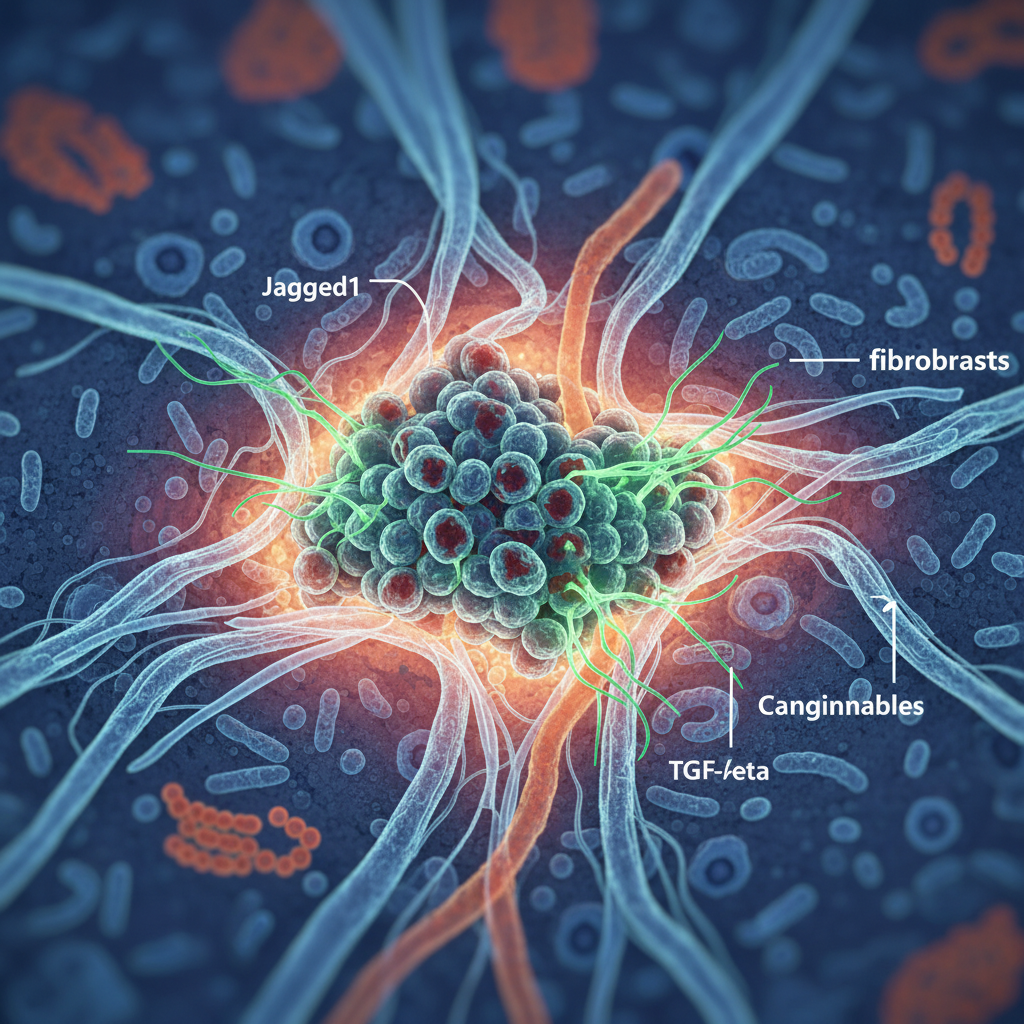
Why Some Breast Cancers Spread Faster: A Protein May Be Helping Tumours Harden the Tissue Around Them

Why Some Breast Cancers Spread Faster: A Protein May Be Helping Tumours Harden the Tissue Around Them When people think about aggressive cancer, they often imagine the problem as living entirely inside the tumour cell — harmful mutations, rapid growt...

Continue reading
New Combination Offers Progress Against Brain Metastases in HER2-Positive Breast Cancer
19/03

New Combination Offers Progress Against Brain Metastases in HER2-Positive Breast Cancer

New Combination Offers Progress Against Brain Metastases in HER2-Positive Breast Cancer When breast cancer spreads to the brain, the disease enters one of its most difficult phases. The prognosis often worsens, symptoms can become more disabling, and...

Continue reading
Semaglutide and ‘Eye Stroke’: What This Possible Risk Actually Means
18/03

Semaglutide and ‘Eye Stroke’: What This Possible Risk Actually Means

Semaglutide and ‘Eye Stroke’: What This Possible Risk Actually Means Few phrases alarm people faster than “eye stroke”. And when that term is linked to popular weight-loss injections such as semaglutide, the reaction is often immediate: worry, confus...

Continue reading
Why Liver Cancer Linked to Obesity May Be More Aggressive and Harder to Treat
18/03

Why Liver Cancer Linked to Obesity May Be More Aggressive and Harder to Treat

Why Liver Cancer Linked to Obesity May Be More Aggressive and Harder to Treat For years, the conversation about obesity and liver cancer focused mainly on risk. The message seemed reasonably straightforward: excess body fat raises the likelihood of f...

Continue reading
A New Alzheimer’s Platform Wants to Predict Risk by Reading the Whole Disease, Not Just One Marker
18/03

A New Alzheimer’s Platform Wants to Predict Risk by Reading the Whole Disease, Not Just One Marker

A New Alzheimer’s Platform Wants to Predict Risk by Reading the Whole Disease, Not Just One Marker For years, much of Alzheimer’s research has revolved around two headline proteins: amyloid and tau. They remain central to the disease. But the science...

Continue reading
How Glioblastoma Uses Sugar to Hide From the Immune System
18/03

How Glioblastoma Uses Sugar to Hide From the Immune System

How Glioblastoma Uses Sugar to Hide From the Immune System Cancer is often described as a disease of uncontrolled growth. But in many cases, it is also a disease of disguise. For a tumour to survive, it does not only need to multiply. It also has to...

Continue reading
Could COVID Wake Up the Virus Behind Glandular Fever? What the Evidence Really Shows
18/03

Could COVID Wake Up the Virus Behind Glandular Fever? What the Evidence Really Shows

Could COVID Wake Up the Virus Behind Glandular Fever? What the Evidence Really Shows From early in the pandemic, it became obvious that COVID-19 was not always a short-lived respiratory illness. For some people, the infection was followed by weeks or...

Continue reading